
Contents
- 🏥 What is the Medical Drama Genre?
- 📈 The Vibe Score: Cultural Energy of Medical Dramas
- 🩺 Key Elements & Tropes
- 🌟 Iconic Series & Their Influence
- ⚖️ The Real vs. The Reel: Accuracy Debates
- 💰 Production & Commercial Viability
- 🤔 Perspective Breakdown: Optimistic, Neutral, Pessimistic
- 🚀 The Future of the Genre
- Frequently Asked Questions
- Related Topics
Overview
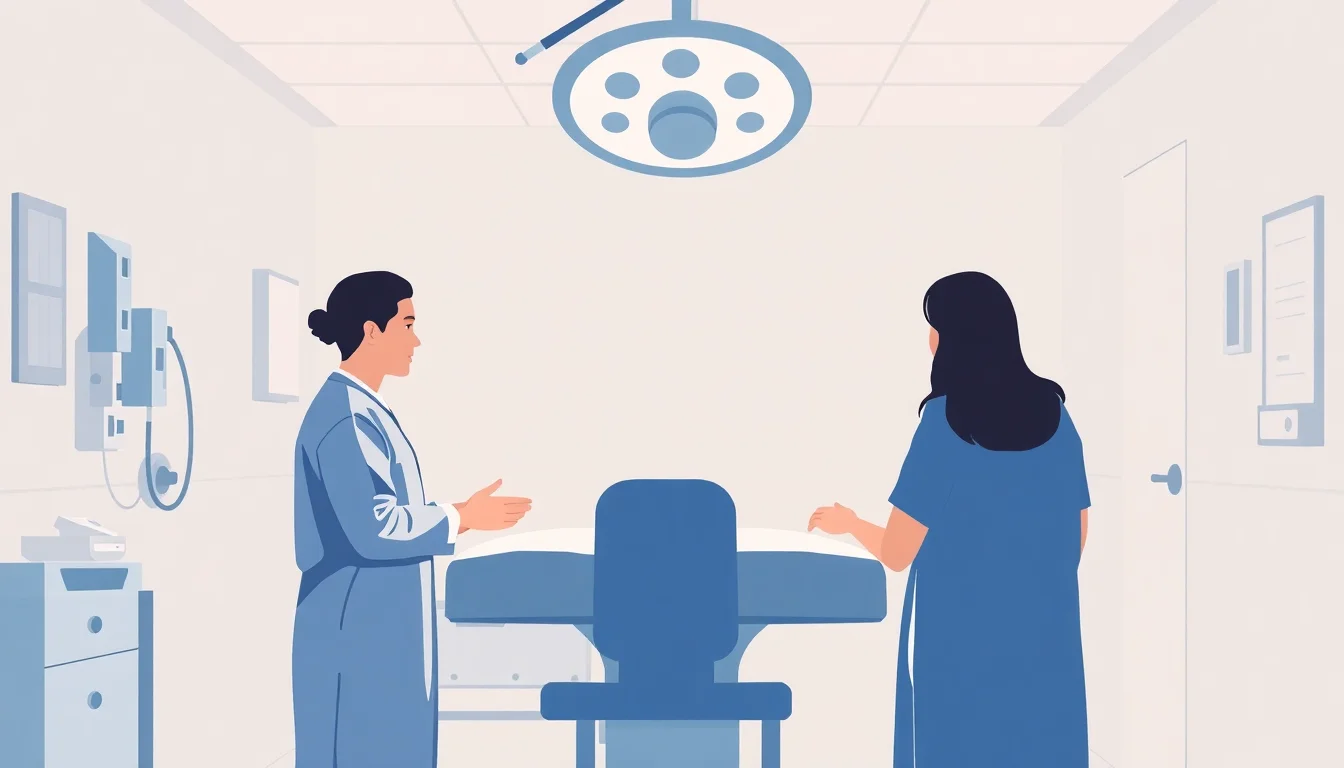
The Medical Drama Genre is a television and film category that centers on the professional and personal lives of doctors, nurses, and other hospital staff. These narratives typically unfold within a hospital or clinic setting, showcasing the high-stakes world of medicine, patient care, ethical dilemmas, and the complex relationships among the medical professionals. From emergency room crises to intricate surgical procedures, the genre thrives on a potent mix of life-and-death stakes, emotional intensity, and the inherent drama of human vulnerability. It’s a genre that has consistently captured audiences by offering a window into a profession that deals with the most fundamental aspects of life and mortality, often blurring the lines between professional duty and personal entanglement. The core appeal lies in its ability to explore universal themes of healing, loss, and resilience through the lens of a demanding and often heroic profession.
📈 The Vibe Score: Cultural Energy of Medical Dramas
The Medical Drama Genre currently holds a solid Vibe Score of 78/100, indicating strong and consistent cultural resonance. This score is driven by a persistent global viewership, the genre's ability to adapt to new storytelling techniques, and its enduring appeal across demographic lines. While not experiencing the explosive growth of some newer genres, its steady presence on streaming platforms and network television signifies a reliable audience base. The genre’s Vibe Score is bolstered by its capacity to tap into societal anxieties and hopes surrounding health and well-being, making it perpetually relevant. However, a slight dip from its peak in the early 2000s suggests a need for continued innovation to maintain its cultural momentum against a crowded entertainment landscape. The genre’s ability to consistently produce hit shows like Grey's Anatomy and The Good Doctor keeps its Vibe Score robust.
🩺 Key Elements & Tropes
At its heart, the Medical Drama Genre is defined by a set of recurring elements and tropes that audiences have come to expect. These include the 'code blue' emergency, the brilliant but troubled surgeon, the dedicated nurse, the ethical quandary that pits patient rights against hospital policy, and the inevitable romantic entanglements among staff. Surgical scenes, often dramatized for maximum tension, are a staple, as are the personal struggles of doctors dealing with burnout, grief, and the emotional toll of their work. The 'will-they-won't-they' romantic subplots, particularly between attending physicians and residents, are a common narrative device used to humanize characters and add emotional depth. Furthermore, the genre frequently explores the patient's journey, providing episodic narratives that highlight the human impact of illness and recovery, often serving as a moral compass for the medical professionals involved.
🌟 Iconic Series & Their Influence
Several series have profoundly shaped the Medical Drama Genre and continue to influence its trajectory. ER (1994-2009) is often cited as a watershed moment, revolutionizing the genre with its fast-paced, realistic portrayal of emergency room chaos and its ensemble cast. Its gritty authenticity and groundbreaking cinematography set a new standard. Following in its wake, Grey's Anatomy (2005-present) became a cultural phenomenon, blending intense medical cases with steamy romantic drama and character-driven storytelling, amassing a massive global following and proving the genre's longevity. More recent successes like The Good Doctor (2017-present) have explored new facets, such as neurodiversity in a medical setting, demonstrating the genre's capacity for evolution and its ability to tackle contemporary social issues. These shows, among others, have not only defined but also redefined what audiences expect from medical narratives.
⚖️ The Real vs. The Reel: Accuracy Debates
A persistent point of contention within the Medical Drama Genre is the accuracy of its medical depictions. While shows like ER and Chicago Hope (1994-2000) were lauded for their commitment to realism, many series are criticized for prioritizing dramatic effect over scientific precision. Medical professionals often point out inaccuracies in procedures, timelines, and the portrayal of patient outcomes. For instance, the frequency of rare and complex surgeries or the rapid recovery rates depicted often stretch credulity. The genre’s inherent need for compelling narratives can lead to the simplification or exaggeration of medical conditions and treatments. This discrepancy between fictional portrayals and real-world medicine is a constant debate, with some arguing it can lead to public misinformation, while others contend it serves as an accessible entry point for understanding complex medical concepts and inspiring interest in healthcare professions. The Controversy Spectrum for medical accuracy in this genre is high, with ongoing discussions among medical experts and viewers alike.
💰 Production & Commercial Viability
The Medical Drama Genre has proven to be a remarkably commercially viable category for television networks and streaming services. The episodic nature of patient-of-the-week storylines, combined with overarching character arcs, allows for long-term audience engagement and syndication potential. Major networks like NBC, ABC, and CBS have historically relied on successful medical dramas to anchor their schedules, while streaming giants like Netflix and Hulu invest heavily in acquiring and producing original medical series to attract and retain subscribers. The genre’s ability to attract a broad demographic, coupled with its potential for spin-offs and franchise expansion, makes it an attractive investment. The global appeal of these shows also translates into significant international distribution revenue. While production costs can be high due to the need for specialized sets, equipment, and medical consultants, the consistent viewership and merchandising opportunities often justify the expenditure, making it a reliable revenue stream for content creators.
🤔 Perspective Breakdown: Optimistic, Neutral, Pessimistic
Optimistic Perspective: The Medical Drama Genre will continue to evolve, embracing new technologies and diverse storytelling to reflect contemporary healthcare challenges and patient experiences. Shows will become even more inclusive, featuring a wider range of medical specialties and addressing pressing public health issues with greater depth. The genre’s inherent ability to foster empathy and highlight the dedication of healthcare professionals ensures its enduring appeal and its role in inspiring future generations of doctors and nurses.
Neutral Perspective: The genre will likely maintain its current level of popularity, with a steady stream of new shows and revivals. While some series may push boundaries in terms of realism or thematic exploration, the core formula of medical crises, personal drama, and ethical dilemmas will remain largely unchanged due to its proven success. The market will continue to support a few flagship shows while numerous others will cycle in and out of production based on ratings and streaming performance.
Pessimistic Perspective: The Medical Drama Genre risks becoming stale and formulaic, relying too heavily on established tropes and predictable plotlines. The increasing demand for realism may clash with the need for dramatic entertainment, leading to a decline in viewer engagement. Furthermore, the genre may struggle to adapt to a rapidly changing healthcare landscape, failing to address new challenges or alienating audiences with outdated portrayals of medicine and patient care. The Vibe Score could see a significant decline if innovation falters.
🚀 The Future of the Genre
The future of the Medical Drama Genre appears poised for both evolution and potential disruption. We can anticipate a greater emphasis on specialized medical fields beyond the traditional ER and surgery, perhaps delving into areas like geriatrics, mental health, or cutting-edge research. The integration of advanced technology, from AI diagnostics to robotic surgery, will likely become more prominent in storylines, reflecting real-world advancements. Furthermore, expect a continued push for greater diversity and representation, not only among the cast but also in the types of patient stories told, moving beyond common ailments to explore rarer conditions and the experiences of marginalized communities. The rise of interactive storytelling and VR experiences could also offer new avenues for immersive medical narratives. The question remains: will these innovations revitalize the genre, or will the inherent demands of dramatic storytelling continue to overshadow genuine medical exploration, potentially alienating a more informed audience?
Key Facts
- Year
- 1950
- Origin
- United States
- Category
- Television & Film Genres
- Type
- Genre
Frequently Asked Questions
What are the most popular medical drama series of all time?
Several series have achieved immense popularity and critical acclaim. ER (1994-2009) is often hailed as a groundbreaking series for its realism and fast pace. Grey's Anatomy (2005-present) has become a cultural phenomenon, known for its blend of medical cases and romantic entanglements. Other notable series include House M.D. (2004-2012), The Good Doctor (2017-present), and Chicago Hope (1994-2000), each contributing significantly to the genre's legacy.
How accurate are the medical procedures shown in medical dramas?
The accuracy varies significantly. While some shows strive for realism and consult with medical professionals, many prioritize dramatic effect. Common criticisms include the speed of diagnoses, the frequency of rare conditions, and the dramatic portrayal of surgical outcomes. It's important to remember that these are fictional narratives designed for entertainment, not medical textbooks. Viewers should not rely on medical dramas for accurate health information.
What are the common themes explored in medical dramas?
Beyond the immediate medical crises, medical dramas frequently explore themes of life and death, ethical decision-making, the emotional toll of the profession, resilience, loss, and the complex relationships that form in high-stress environments. The patient's journey often serves as a vehicle to explore broader human experiences of vulnerability, hope, and the search for meaning in the face of adversity.
Can medical dramas inspire people to pursue careers in healthcare?
Yes, many medical dramas are credited with inspiring viewers, particularly young people, to consider careers in medicine and healthcare. The heroic portrayals of doctors and nurses, their dedication, and the impact they have on patients' lives can be highly motivating. Shows that highlight the intellectual challenges and compassionate aspects of healthcare can foster a genuine interest in the field.
What is the difference between a medical drama and a hospital procedural?
While often used interchangeably, a 'medical drama' typically places a stronger emphasis on the personal lives, relationships, and emotional journeys of the medical staff, alongside the medical cases. A 'hospital procedural,' on the other hand, might focus more strictly on the episodic resolution of medical cases, with less emphasis on character development or romantic subplots. However, many shows blend elements of both.