
Contents
- 🌟 Introduction to Reproductive Biology
- 🔬 Key Concepts in Reproductive Biology
- 👥 Who Studies Reproductive Biology
- 📚 Subfields of Reproductive Biology
- 🔍 Methods and Techniques in Reproductive Biology
- 🌈 Sexual vs. Asexual Reproduction
- 🤝 Relationship to Other Fields
- 📊 Applications of Reproductive Biology
- 🚀 Future Directions in Reproductive Biology
- 📝 Conclusion and Next Steps
- Frequently Asked Questions
- Related Topics
Overview
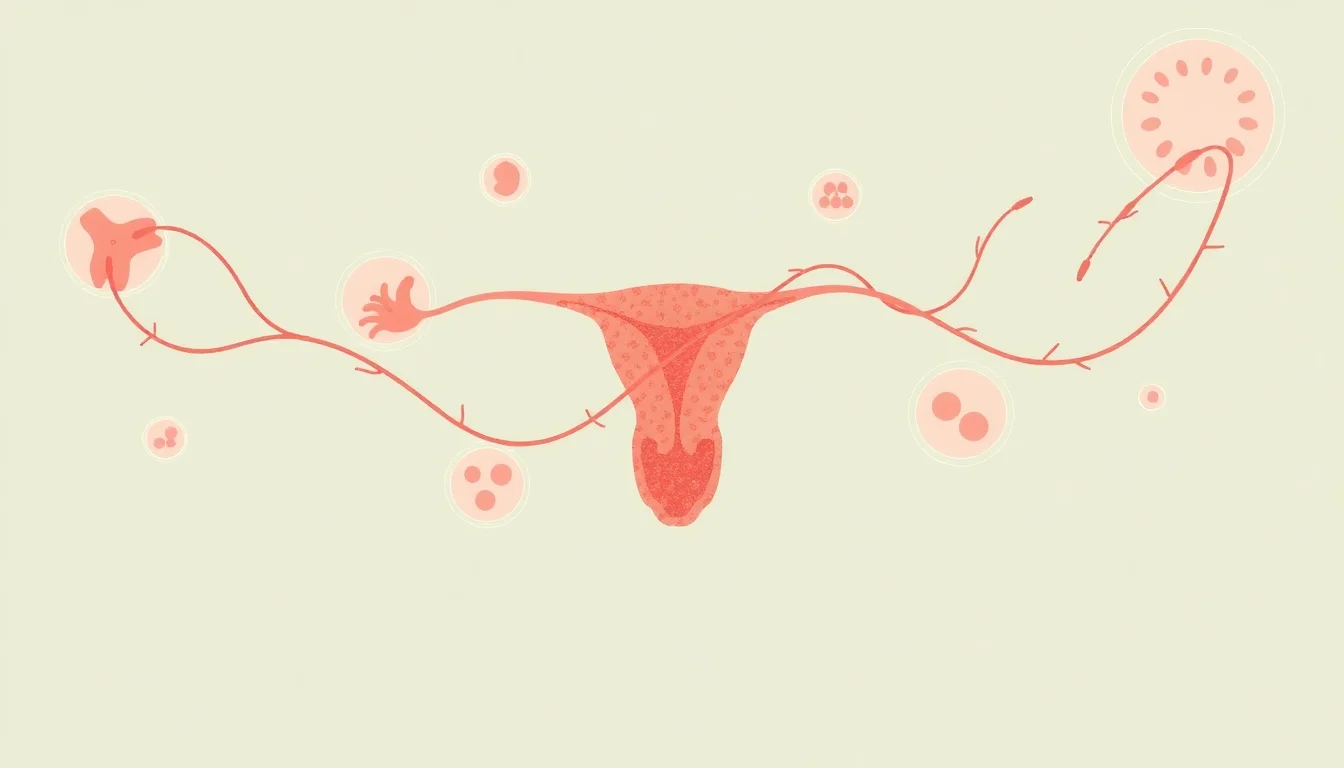
Reproductive biology is the study of the processes that produce offspring, from the formation of gametes to the development of a fetus. This field encompasses a broad range of topics, including embryogenesis, fetal development, and parturition. The human reproductive system is a complex and highly regulated process, involving the coordinated effort of multiple cell types, tissues, and organs. For example, the process of fertilization involves the fusion of a single spermatozoon with an oocyte, resulting in the formation of a zygote, which then undergoes multiple cell divisions to form a blastocyst. According to Dr. Robert Winston, a leading expert in reproductive biology, advances in assisted reproductive technologies (ART) have revolutionized the field, enabling millions of people to conceive who were previously unable to do so. However, these technologies also raise important ethical and societal questions, such as the use of surrogacy and egg donation, which are debated by scholars like Professor Lori Andrews, who argues that these practices can exploit vulnerable women. As research continues to advance our understanding of reproductive biology, we can expect to see new technologies and treatments emerge, such as the use of stem cells to treat infertility, which is being explored by scientists like Dr. Shoukhrat Mitalipov.
🌟 Introduction to Reproductive Biology
Reproductive biology is a vital field of study that encompasses the processes by which living organisms produce offspring. It includes both sexual and asexual reproduction, each with its unique mechanisms and importance in the natural world. For instance, human reproduction is a complex process that involves the coordination of multiple physiological systems. Reproductive biology is essential for understanding the diversity of life on Earth and has numerous applications in fields such as medicine, agriculture, and conservation. Researchers in this field often collaborate with experts in genetics and ecology to better understand the intricacies of reproductive biology.
🔬 Key Concepts in Reproductive Biology
Some key concepts in reproductive biology include fertilization, embryogenesis, and parturition. These processes are crucial for the development and birth of offspring in many species. Additionally, reproductive endocrinology plays a vital role in regulating the reproductive cycle. Scientists who study reproductive biology often use techniques such as microscopy and molecular biology to investigate the mechanisms underlying reproductive processes. They may also draw on knowledge from evolutionary biology to understand the evolutionary pressures that have shaped reproductive strategies.
👥 Who Studies Reproductive Biology
Reproductive biology is studied by a wide range of professionals, including biologists, zoologists, botanists, and medical doctors. These individuals may work in academia, research institutions, or industry, and may focus on specific areas such as reproductive medicine or plant breeding. For example, a researcher might investigate the reproductive biology of corals to better understand the impacts of climate change on these ecosystems. Others may work on developing new contraceptives or fertility treatments. By exploring the reproductive biology of various organisms, scientists can gain insights into the complex interactions between species and their environments.
📚 Subfields of Reproductive Biology
Reproductive biology encompasses several subfields, including reproductive physiology, reproductive genetics, and reproductive ecology. Each of these subfields offers a unique perspective on the reproductive processes of different organisms. For instance, reproductive physiology focuses on the physiological mechanisms that govern reproduction, while reproductive genetics explores the genetic basis of reproductive traits. By integrating knowledge from these subfields, researchers can develop a more comprehensive understanding of reproductive biology. They may also draw on insights from biochemistry and biophysics to investigate the molecular and physical mechanisms underlying reproductive processes.
🔍 Methods and Techniques in Reproductive Biology
Scientists use a variety of methods and techniques to study reproductive biology, including histology, cell culture, and bioinformatics. These approaches allow researchers to investigate the structure, function, and evolution of reproductive systems in different organisms. For example, a researcher might use histology to study the development of reproductive tissues in insects. Others may employ cell culture to investigate the behavior of reproductive cells in mammals. By combining these techniques with insights from evolutionary developmental biology, scientists can gain a deeper understanding of the complex interactions between reproductive systems and their environments.
🌈 Sexual vs. Asexual Reproduction
One of the key distinctions in reproductive biology is between sexual reproduction and asexual reproduction. Sexual reproduction involves the combination of genetic material from two parents, while asexual reproduction involves the production of offspring without the involvement of a second parent. Examples of asexual reproduction include parthenogenesis and budding. In contrast, human reproduction is an example of sexual reproduction, involving the fusion of sperm and egg cells. By studying the mechanisms and evolution of these different reproductive strategies, scientists can gain insights into the diversity of life on Earth.
🤝 Relationship to Other Fields
Reproductive biology is closely related to other fields, including developmental biology, ecology, and evolutionary biology. These fields often overlap and inform one another, and researchers in reproductive biology may draw on insights and techniques from these areas. For example, a scientist studying the reproductive biology of corals might also investigate the ecology of coral reefs and the evolutionary biology of coral species. By integrating knowledge from these fields, researchers can develop a more comprehensive understanding of the complex interactions between reproductive systems and their environments.
📊 Applications of Reproductive Biology
The applications of reproductive biology are numerous and varied, ranging from agriculture and conservation to medicine and biotechnology. For instance, understanding the reproductive biology of crops can help improve agricultural productivity, while knowledge of the reproductive biology of endangered species can inform conservation efforts. Additionally, insights into human reproductive biology have led to the development of contraceptives and fertility treatments. By exploring the reproductive biology of various organisms, scientists can develop new technologies and strategies for improving human health and well-being.
🚀 Future Directions in Reproductive Biology
As our understanding of reproductive biology continues to evolve, new directions and applications are emerging. For example, researchers are exploring the potential of stem cell therapy and gene editing to improve human reproductive health. Others are investigating the impacts of climate change on reproductive biology and developing strategies for mitigating these effects. By pushing the boundaries of our knowledge in this field, scientists can develop innovative solutions to some of the world's most pressing challenges. They may also draw on insights from synthetic biology and bioengineering to design new reproductive systems and technologies.
📝 Conclusion and Next Steps
In conclusion, reproductive biology is a vital and fascinating field that encompasses the study of reproductive processes in all living organisms. By exploring the mechanisms, evolution, and applications of reproductive biology, scientists can gain a deeper understanding of the natural world and develop innovative solutions to real-world problems. Whether you are a researcher, a student, or simply someone interested in learning more about this field, there are many resources available to help you get started. You can explore online courses and tutorials, such as those offered by Coursera or edX, or read books and articles on topics such as reproductive biology and developmental biology.
Key Facts
- Year
- 1950
- Origin
- Ancient Greece, with contributions from scientists such as Aristotle and Galen
- Category
- Life Sciences
- Type
- Scientific Field
Frequently Asked Questions
What is reproductive biology?
Reproductive biology is the study of the processes by which living organisms produce offspring. It encompasses both sexual and asexual reproduction and has numerous applications in fields such as medicine, agriculture, and conservation. Researchers in this field often collaborate with experts in genetics and ecology to better understand the intricacies of reproductive biology. By exploring the mechanisms and evolution of reproductive strategies, scientists can gain insights into the diversity of life on Earth.
What are some key concepts in reproductive biology?
Some key concepts in reproductive biology include fertilization, embryogenesis, and parturition. These processes are crucial for the development and birth of offspring in many species. Additionally, reproductive endocrinology plays a vital role in regulating the reproductive cycle. Scientists who study reproductive biology often use techniques such as microscopy and molecular biology to investigate the mechanisms underlying reproductive processes. They may also draw on knowledge from evolutionary biology to understand the evolutionary pressures that have shaped reproductive strategies.
Who studies reproductive biology?
Reproductive biology is studied by a wide range of professionals, including biologists, zoologists, botanists, and medical doctors. These individuals may work in academia, research institutions, or industry, and may focus on specific areas such as reproductive medicine or plant breeding. By exploring the reproductive biology of various organisms, scientists can gain insights into the complex interactions between species and their environments. They may also develop new technologies and strategies for improving human health and well-being.
What are some applications of reproductive biology?
The applications of reproductive biology are numerous and varied, ranging from agriculture and conservation to medicine and biotechnology. For instance, understanding the reproductive biology of crops can help improve agricultural productivity, while knowledge of the reproductive biology of endangered species can inform conservation efforts. Additionally, insights into human reproductive biology have led to the development of contraceptives and fertility treatments. By exploring the reproductive biology of various organisms, scientists can develop new technologies and strategies for improving human health and well-being.
What is the future of reproductive biology?
As our understanding of reproductive biology continues to evolve, new directions and applications are emerging. For example, researchers are exploring the potential of stem cell therapy and gene editing to improve human reproductive health. Others are investigating the impacts of climate change on reproductive biology and developing strategies for mitigating these effects. By pushing the boundaries of our knowledge in this field, scientists can develop innovative solutions to some of the world's most pressing challenges. They may also draw on insights from synthetic biology and bioengineering to design new reproductive systems and technologies.
How can I get started in reproductive biology?
If you are interested in getting started in reproductive biology, there are many resources available to help you. You can explore online courses and tutorials, such as those offered by Coursera or edX, or read books and articles on topics such as reproductive biology and developmental biology. You can also reach out to researchers or professionals in the field to learn more about their work and gain insights into the latest developments and applications. By taking these steps, you can develop a deeper understanding of reproductive biology and its many applications.
What are some related fields to reproductive biology?
Reproductive biology is closely related to other fields, including developmental biology, ecology, and evolutionary biology. These fields often overlap and inform one another, and researchers in reproductive biology may draw on insights and techniques from these areas. For example, a scientist studying the reproductive biology of corals might also investigate the ecology of coral reefs and the evolutionary biology of coral species. By integrating knowledge from these fields, researchers can develop a more comprehensive understanding of the complex interactions between reproductive systems and their environments.