
Contents
- 🔍 Introduction to Spinal Cord Injury
- 👨⚕️ Understanding the Pathology of SCI
- 📊 Epidemiology and Prevalence of SCI
- 🔬 Causes and Risk Factors of SCI
- 🏥 Diagnosis and Treatment of SCI
- 🚑 Emergency Response and Acute Care
- 👥 Rehabilitation and Recovery from SCI
- 🤝 Support Systems and Community Resources
- 📚 Current Research and Emerging Trends in SCI
- 💡 Future Directions and Potential Breakthroughs
- 👀 Controversies and Debates in SCI Management
- 🌎 Global Perspectives and Initiatives on SCI
- Frequently Asked Questions
- Related Topics
Overview
Spinal cord injuries (SCI) affect over 290,000 people in the United States alone, with approximately 17,000 new cases each year. The most common causes of SCI are motor vehicle accidents, falls, and sports injuries, with the average age of injury being 42 years old. Historian and medical researcher, Dr. John F. Ditunno, has extensively studied the origins and evolution of SCI treatment, highlighting the significant advancements in rehabilitation techniques and technology. However, skeptic and SCI advocate, Barbara Turnbull, questions the effectiveness of current treatments, emphasizing the need for more research and funding. From an engineering perspective, scientists like Dr. Robert L. Harbaugh are developing innovative solutions, such as exoskeletons and brain-computer interfaces, to improve mobility and independence for individuals with SCI. As we look to the future, futurist and neuroscientist, Dr. Andrew B. Schwartz, predicts significant breakthroughs in SCI recovery, with potential applications in regenerative medicine and neural prosthetics, which could revolutionize the field and change the lives of millions worldwide.
🔍 Introduction to Spinal Cord Injury
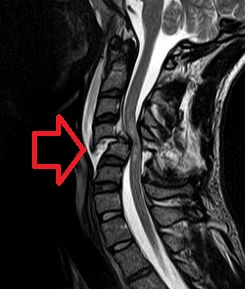
Spinal cord injury (SCI) is a devastating condition that affects millions of people worldwide, causing significant changes in the function of the spinal cord. According to the National Spinal Cord Injury Statistical Center, the prevalence of SCI is approximately 291,000 people in the United States alone. The impact of SCI is not limited to the individual, but also affects their families and caregivers, as seen in the family caregivers who often take on a significant burden of care. As researchers and clinicians, it is essential to understand the pathophysiology of spinal cord injury to develop effective treatment strategies. The spinal cord injury research community is actively working to improve our understanding of SCI and develop new treatments.
👨⚕️ Understanding the Pathology of SCI
The pathology of SCI is complex and involves multiple mechanisms, including axonal damage, demyleination, and inflammation. These changes can lead to significant motor, sensory, and autonomic dysfunctions, as seen in the autonomic dysreflexia that can occur in individuals with SCI. The neurological examination is a critical component of the diagnostic process, as it helps to assess the extent of the injury and guide treatment decisions. Researchers are also exploring the use of stem cell therapy and gene therapy to promote repair and regeneration of the spinal cord. The spinal cord injury treatment landscape is constantly evolving, with new technologies and therapies being developed to improve outcomes for individuals with SCI.
📊 Epidemiology and Prevalence of SCI
The epidemiology of SCI is a critical area of study, as it helps to identify trends and patterns in the incidence and prevalence of the condition. According to the World Health Organization, the global prevalence of SCI is estimated to be around 250-500 per million people. The epidemiology of spinal cord injury is influenced by a range of factors, including trauma, infection, and genetic disorders. The incidence of spinal cord injury varies by region and country, with some areas having higher rates of SCI due to factors such as road traffic accidents and violence. Researchers are working to develop more accurate estimates of the prevalence and incidence of SCI, using data from spinal cord injury registries and other sources.
🔬 Causes and Risk Factors of SCI
The causes and risk factors of SCI are diverse and complex, involving a range of traumatic and non-traumatic mechanisms. Traumatic brain injury and spinal cord injury often occur together, and can have significant long-term consequences for individuals. The causes of spinal cord injury can be categorized into several main groups, including traffic accidents, falls, and sports injuries. The risk factors for spinal cord injury include a range of demographic and environmental factors, such as age, sex, and socioeconomic status. Researchers are working to develop more effective spinal cord injury prevention strategies, using a range of approaches including public education and policy change.
🏥 Diagnosis and Treatment of SCI
The diagnosis and treatment of SCI require a multidisciplinary approach, involving a range of healthcare professionals and therapies. The diagnosis of spinal cord injury typically involves a combination of clinical examination, imaging studies, and electrophysiological testing. The treatment of spinal cord injury may involve a range of interventions, including surgery, medication, and rehabilitation. The rehabilitation process is critical for helping individuals with SCI to regain function and independence, and may involve a range of therapies including physical therapy, occupational therapy, and speech therapy. Researchers are working to develop more effective spinal cord injury treatment strategies, using a range of approaches including stem cell therapy and gene therapy.
🚑 Emergency Response and Acute Care
The emergency response and acute care of SCI are critical for minimizing the extent of the injury and promoting optimal outcomes. The emergency response to spinal cord injury requires a range of interventions, including stabilization of the spine, resuscitation, and transportation to a medical facility. The acute care of spinal cord injury may involve a range of therapies, including surgery, medication, and rehabilitation. The intensive care unit (ICU) is often the first point of care for individuals with SCI, and provides a range of critical care services including ventilatory support and hemodynamic monitoring. Researchers are working to develop more effective emergency response strategies for SCI, using a range of approaches including public education and emergency medical services.
👥 Rehabilitation and Recovery from SCI
The rehabilitation and recovery process for SCI is long-term and complex, involving a range of therapies and interventions. The rehabilitation process typically involves a multidisciplinary team of healthcare professionals, including physical therapists, occupational therapists, and speech therapists. The recovery from spinal cord injury can be influenced by a range of factors, including the severity of the injury, the age of the individual, and the presence of other health conditions. Researchers are working to develop more effective rehabilitation strategies for SCI, using a range of approaches including stem cell therapy and gene therapy. The rehabilitation outcomes for individuals with SCI can be significant, with many people regaining function and independence with the right therapies and support.
🤝 Support Systems and Community Resources
The support systems and community resources available to individuals with SCI are critical for promoting optimal outcomes and quality of life. The family caregivers of individuals with SCI often take on a significant burden of care, and may require support and resources to manage their own physical and emotional health. The community resources available to individuals with SCI may include a range of services, such as home health care, respite care, and peer support groups. Researchers are working to develop more effective support systems for individuals with SCI, using a range of approaches including telehealth and online communities. The quality of life for individuals with SCI can be significant, with many people reporting high levels of satisfaction and fulfillment despite the challenges they face.
📚 Current Research and Emerging Trends in SCI
The current research and emerging trends in SCI are focused on developing more effective treatments and therapies for the condition. The spinal cord injury research community is actively working to understand the underlying mechanisms of SCI, and to develop new treatments and therapies to promote repair and regeneration of the spinal cord. The stem cell therapy and gene therapy are two of the most promising areas of research in SCI, with several clinical trials currently underway to evaluate their safety and efficacy. The robotic assisted rehabilitation is another area of research that is showing promise, with several studies demonstrating its effectiveness in improving motor function and mobility in individuals with SCI.
💡 Future Directions and Potential Breakthroughs
The future directions and potential breakthroughs in SCI are exciting and promising, with several new technologies and therapies on the horizon. The regenerative medicine is one area that holds great promise, with the potential to promote repair and regeneration of the spinal cord using a range of approaches including stem cell therapy and gene therapy. The brain computer interfaces is another area of research that is showing promise, with the potential to restore motor function and mobility in individuals with SCI. The exoskeletons and prosthetic devices are also being developed to improve mobility and function in individuals with SCI.
👀 Controversies and Debates in SCI Management
The controversies and debates in SCI management are complex and multifaceted, involving a range of ethical, social, and economic factors. The stem cell therapy is one area of controversy, with some researchers and clinicians questioning its safety and efficacy. The gene therapy is another area of controversy, with some researchers and clinicians questioning its potential risks and benefits. The rehabilitation strategies for SCI are also a topic of debate, with some researchers and clinicians advocating for more aggressive and intensive approaches, while others advocate for more conservative and gradual approaches.
🌎 Global Perspectives and Initiatives on SCI
The global perspectives and initiatives on SCI are critical for promoting optimal outcomes and quality of life for individuals with the condition. The World Health Organization (WHO) is one of the leading global organizations working to promote awareness and understanding of SCI, and to develop more effective treatments and therapies for the condition. The International Spinal Cord Injury Society (ISCoS) is another global organization that is working to promote awareness and understanding of SCI, and to develop more effective treatments and therapies for the condition. The global initiatives on SCI are focused on promoting more effective prevention strategies, treatment options, and rehabilitation services for individuals with SCI.
Key Facts
- Year
- 2022
- Origin
- Ancient civilizations, with documented cases of SCI dating back to ancient Egypt and Greece
- Category
- Health and Medicine
- Type
- Medical Condition
Frequently Asked Questions
What is spinal cord injury?
Spinal cord injury (SCI) is damage to the spinal cord that causes temporary or permanent changes in its function. It is a destructive neurological and pathological state that causes major motor, sensory and autonomic dysfunctions. The spinal cord injury can be caused by a range of factors, including trauma, infection, and genetic disorders. The treatment of spinal cord injury typically involves a range of interventions, including surgery, medication, and rehabilitation.
What are the symptoms of spinal cord injury?
The symptoms of spinal cord injury (SCI) can vary depending on the location and severity of the injury. The symptoms of spinal cord injury may include loss of motor function, loss of sensory function, and autonomic dysfunction. The diagnosis of spinal cord injury typically involves a combination of clinical examination, imaging studies, and electrophysiological testing.
How is spinal cord injury treated?
The treatment of spinal cord injury (SCI) typically involves a range of interventions, including surgery, medication, and rehabilitation. The treatment of spinal cord injury may also involve a range of therapies, including physical therapy, occupational therapy, and speech therapy. The rehabilitation process is critical for helping individuals with SCI to regain function and independence.
What are the complications of spinal cord injury?
The complications of spinal cord injury (SCI) can be significant and may include a range of secondary conditions, such as pressure ulcers, urinary tract infections, and respiratory complications. The complications of spinal cord injury may also include a range of psychological and emotional conditions, such as depression and anxiety. The management of complications is critical for promoting optimal outcomes and quality of life for individuals with SCI.
How can spinal cord injury be prevented?
The prevention of spinal cord injury (SCI) is critical for reducing the incidence and prevalence of the condition. The prevention of spinal cord injury may involve a range of strategies, including public education, policy change, and environmental modification. The prevention strategies may also include a range of interventions, such as seat belt use and helmet use.
What are the current research and emerging trends in spinal cord injury?
The current research and emerging trends in spinal cord injury (SCI) are focused on developing more effective treatments and therapies for the condition. The spinal cord injury research community is actively working to understand the underlying mechanisms of SCI, and to develop new treatments and therapies to promote repair and regeneration of the spinal cord. The stem cell therapy and gene therapy are two of the most promising areas of research in SCI.
What are the global perspectives and initiatives on spinal cord injury?
The global perspectives and initiatives on spinal cord injury (SCI) are critical for promoting optimal outcomes and quality of life for individuals with the condition. The World Health Organization (WHO) is one of the leading global organizations working to promote awareness and understanding of SCI, and to develop more effective treatments and therapies for the condition. The International Spinal Cord Injury Society (ISCoS) is another global organization that is working to promote awareness and understanding of SCI, and to develop more effective treatments and therapies for the condition.