
Contents
- 🌎 Introduction to Water Quality
- 📊 Key Characteristics of Water Quality
- 🚽 Standards and Assessments
- 🌟 Importance of Water Quality
- 🚨 Water Pollution and Its Effects
- 🌈 Types of Water Quality Standards
- 📈 Monitoring and Treatment
- 👥 Who Is Affected by Water Quality
- 🤝 Comparison with Similar Environmental Issues
- 📊 Practical Tips for Improving Water Quality
- 📞 Getting Started with Water Quality Assessment
- Frequently Asked Questions
- Related Topics
Overview
Water quality is a multifaceted issue that affects human health, ecosystems, and the economy. According to the World Health Organization (WHO), 2 billion people worldwide lack access to safe drinking water, resulting in 485,000 diarrheal deaths annually. The main water quality parameters include pH, temperature, turbidity, and concentrations of nutrients, bacteria, and other pollutants. Human activities such as agricultural runoff, industrial waste, and sewage disposal significantly impact water quality. The Clean Water Act of 1972 in the United States and the Water Framework Directive of 2000 in the European Union are examples of regulatory efforts to protect water resources. Researchers like Dr. Marc Edwards, who exposed the Flint water crisis, and organizations like the Water Quality Association, are working to address water quality issues and promote access to safe drinking water. With a vibe score of 8, water quality is a pressing concern that requires continued attention and action from individuals, communities, and governments.
🌎 Introduction to Water Quality
Water quality is a critical aspect of Environmental Science that refers to the chemical, physical, and biological characteristics of water based on the standards of its usage. It is most frequently used by reference to a set of standards against which compliance, generally achieved through treatment of the water, can be assessed. The most common standards used to monitor and assess water quality convey the health of Ecosystems, safety of human contact, extent of Water Pollution and condition of Drinking Water. Water quality has a significant impact on Water Supply and often determines supply options. For instance, the World Health Organization has established guidelines for drinking water quality, which are widely adopted by countries around the world.
📊 Key Characteristics of Water Quality
The key characteristics of water quality include physical parameters such as temperature, turbidity, and pH, as well as chemical parameters like dissolved oxygen, nutrients, and pollutants. Biological characteristics, such as the presence of microorganisms, plants, and animals, are also important indicators of water quality. These characteristics can be affected by various factors, including Climate Change, Agricultural Runoff, and Industrial Pollution. Understanding these characteristics is essential for developing effective strategies to manage and improve water quality, as outlined in the Water Framework Directive.
🚽 Standards and Assessments
Standards and assessments are crucial for evaluating water quality. The most common standards used to monitor and assess water quality are established by organizations such as the Environmental Protection Agency (EPA) and the World Health Organization (WHO). These standards provide a framework for assessing the health of ecosystems, safety of human contact, and extent of water pollution. For example, the EPA's Clean Water Act sets standards for water quality in the United States, while the WHO's Guidelines for Drinking Water Quality provide a global framework for ensuring safe drinking water.
🌟 Importance of Water Quality
The importance of water quality cannot be overstated. Water quality has a significant impact on human health, as contaminated water can cause a range of illnesses, from mild gastrointestinal symptoms to life-threatening diseases. Water quality also affects the health of Aquatic Ecosystems, which are essential for maintaining biodiversity and supporting commercial fisheries. Furthermore, water quality can impact the economy, as poor water quality can reduce property values, affect tourism, and increase the cost of water treatment. The Economic Benefits of Water Quality are well-documented, and investing in water quality can have significant returns.
🚨 Water Pollution and Its Effects
Water pollution is a major threat to water quality, and it can have severe effects on human health and the environment. The main sources of water pollution include Agricultural Runoff, Industrial Pollution, and Municipal Sewage. These sources can introduce a range of pollutants into waterways, including nutrients, sediments, and toxic chemicals. The effects of water pollution can be seen in the degradation of Aquatic Ecosystems, the loss of biodiversity, and the increased risk of waterborne diseases. The Water Pollution Prevention strategies can help mitigate these effects.
🌈 Types of Water Quality Standards
There are various types of water quality standards, including standards for drinking water, recreational water, and environmental water. These standards are established by organizations such as the Environmental Protection Agency (EPA) and the World Health Organization (WHO). For example, the EPA's Safe Drinking Water Act sets standards for drinking water quality in the United States, while the WHO's Guidelines for Drinking Water Quality provide a global framework for ensuring safe drinking water. The Water Quality Standards are regularly updated to reflect new scientific research and emerging issues.
📈 Monitoring and Treatment
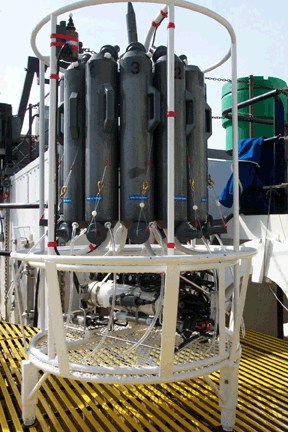
Monitoring and treatment are essential for maintaining good water quality. Monitoring involves the regular collection and analysis of water samples to assess water quality. Treatment involves the use of various technologies, such as filtration and disinfection, to remove pollutants and improve water quality. For example, the Water Treatment Plants use a combination of physical, chemical, and biological processes to remove pollutants and produce safe drinking water. The Water Quality Monitoring programs can help identify areas where treatment is needed.
👥 Who Is Affected by Water Quality
Water quality affects everyone, from individuals who rely on well water to communities that depend on municipal water supplies. Water quality can also impact businesses, such as farms, factories, and tourism operators, that rely on water for their operations. Furthermore, water quality can affect the environment, as poor water quality can harm Aquatic Ecosystems and reduce biodiversity. The Water Quality Regulations can help protect these interests and ensure that water is safe for all uses.
🤝 Comparison with Similar Environmental Issues
In comparison to other environmental issues, such as Air Pollution and Climate Change, water quality is a critical issue that requires immediate attention. While air pollution and climate change are important issues, water quality is essential for human health and the environment. The Water Quality Issues are often more visible and immediate than other environmental issues, making it a pressing concern for communities and governments. The Environmental Impact Assessment can help identify the potential effects of human activities on water quality.
📊 Practical Tips for Improving Water Quality
There are several practical tips for improving water quality, including reducing Agricultural Runoff, using Water Efficient Appliances, and supporting Water Conservation efforts. Individuals can also make a difference by reducing their use of pollutants, such as fertilizers and pesticides, and by properly disposing of hazardous waste. The Water Quality Improvement strategies can be implemented at the individual, community, and national levels.
📞 Getting Started with Water Quality Assessment
Getting started with water quality assessment involves understanding the key characteristics of water quality, familiarizing yourself with the standards and assessments used to evaluate water quality, and taking action to improve water quality. Individuals can start by learning about the water quality in their community, reducing their use of pollutants, and supporting water conservation efforts. The Water Quality Assessment can be conducted by individuals, communities, or governments to identify areas for improvement.
Key Facts
- Year
- 1972
- Origin
- Global
- Category
- Environmental Science
- Type
- Environmental Issue
Frequently Asked Questions
What is water quality?
Water quality refers to the chemical, physical, and biological characteristics of water based on the standards of its usage. It is most frequently used by reference to a set of standards against which compliance, generally achieved through treatment of the water, can be assessed. The most common standards used to monitor and assess water quality convey the health of ecosystems, safety of human contact, extent of water pollution and condition of drinking water.
Why is water quality important?
Water quality is important because it has a significant impact on human health, the environment, and the economy. Contaminated water can cause a range of illnesses, from mild gastrointestinal symptoms to life-threatening diseases. Poor water quality can also harm aquatic ecosystems, reduce biodiversity, and increase the cost of water treatment.
What are the main sources of water pollution?
The main sources of water pollution include agricultural runoff, industrial pollution, and municipal sewage. These sources can introduce a range of pollutants into waterways, including nutrients, sediments, and toxic chemicals.
How can I improve water quality?
There are several ways to improve water quality, including reducing agricultural runoff, using water-efficient appliances, and supporting water conservation efforts. Individuals can also make a difference by reducing their use of pollutants, such as fertilizers and pesticides, and by properly disposing of hazardous waste.
What are the standards for water quality?
The standards for water quality are established by organizations such as the Environmental Protection Agency (EPA) and the World Health Organization (WHO). These standards provide a framework for assessing the health of ecosystems, safety of human contact, and extent of water pollution.
How can I get involved in water quality assessment?
Getting started with water quality assessment involves understanding the key characteristics of water quality, familiarizing yourself with the standards and assessments used to evaluate water quality, and taking action to improve water quality. Individuals can start by learning about the water quality in their community, reducing their use of pollutants, and supporting water conservation efforts.
What are the economic benefits of water quality?
The economic benefits of water quality are significant, as investing in water quality can have returns in the form of reduced healthcare costs, increased property values, and improved economic productivity. The economic benefits of water quality can also be seen in the tourism and recreation industries, which rely on good water quality to attract visitors and support local economies.